Places to visit in Ahmedabad
India’s first UNESCO world heritage city, Ahmedabad is an interesting city that dates back to the 15th century. Located on the banks of river Sabarmati, it is one of the prosperous cities of the country. Known as the ‘Manchester of the East’,one of the highly industrialized cities in India and India’s Textile City, Ahmedabad has myriad charms for all its visitors.
A heady combination of combination of Western and Indian influence, Ahmedabad is a cultural melting point. Sabarmati River divides the city into two parts - the old city and the new Ahmedabad. Old City lies on the west side of the river and is surrounded by a 10 km long wall. Maze of crowded bazaars, exquisitely carved temples,gigantic monuments, magnificent gates and sub terrain stepwell, all these things together makes the old city. Bhadra Fort, Jama Masjid, Ahmed Shah's Mosque, Siddi Saiyad's Mosque and Tomb of Ahmed Shah are must-see attractions.All the monuments, forts, temples, pols and havelis are the testimony to the aesthetic appeal that is inherent in Gujarat.
Sabarmati Ashram, a peaceful ground located on the Sabarmati River's west bank, was the second home to the legendary leader Mahatma Gandhi and the nerve center of India's freedom movement . His personal articles like spinning wheel,spectacles amongst others are well-preserved in the Ashram.
Both art collection and medieval castles, Ahmedabad has a sheer wealth of treasures. Museums like Kite Museum,Calico Museum of Textiles, Auto World Vintage Car Museum, Lalbhai Dalpatbhai Museum and Vechaar Utensils Museum can surprise anyone with its beauty and historical significance. People who want to know more about the unique and vibrant culture of the city, a tour to Ahmedabad museums can be a help. Ranging from textile museums to cars exhibitions to utensils display, here one can find many museums.
The charming colorful city of Gujarat is the best place to shop for tie-dye technique of bandhani. One can purchase bandhani saree, dupatta, pearl-work garments and much more from the shops. Also, Ahmedabad is the place to sample some scrumptious local food.
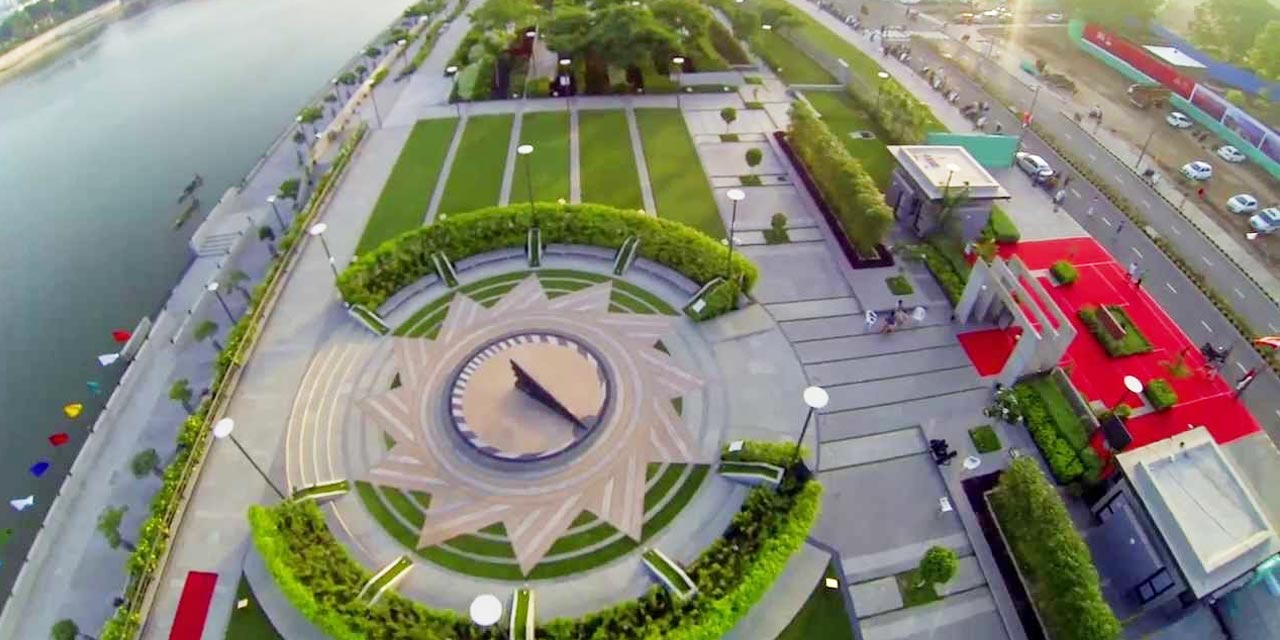
Sabarmati Riverfront
The Sabarmati Riverfront is one of the recent developments and also, among the must-see places to visit in Ahmedabad in the evening. You can get there any time during the day but evenings are the perfect – either for a walk or to sit there, looking at the landscape.
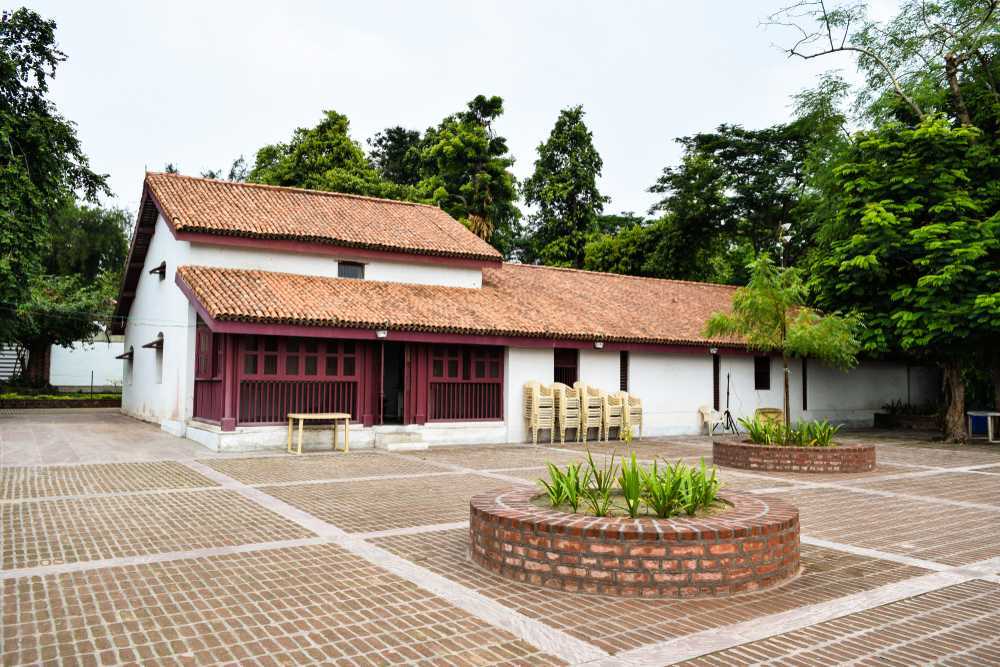
Sabarmati Ashram
Sabarmati Ashram is located in the Sabarmati suburb of Ahmedabad, Gujarat, adjoining the Ashram Road, on the banks of the River Sabarmati, 4.0 miles from the town hall. This was one of the many residences of Mahatma Gandhi who lived at Sabarmati and Sevagram when he was not travelling across India or in prison. He lived in Sabarmati or Wardha for a total of twelve years with his wife Kasturba Gandhi and followers, including Vinoba Bhave. The Bhagavad Gita was recited here daily as part of the Ashram schedule. It was from his base here that Gandhi led the Dandi march also known as the Salt Satyagraha on 12 March 1930. In recognition of the significant influence that this march had on the Indian independence movement the Indian government has established the ashram as a national monument
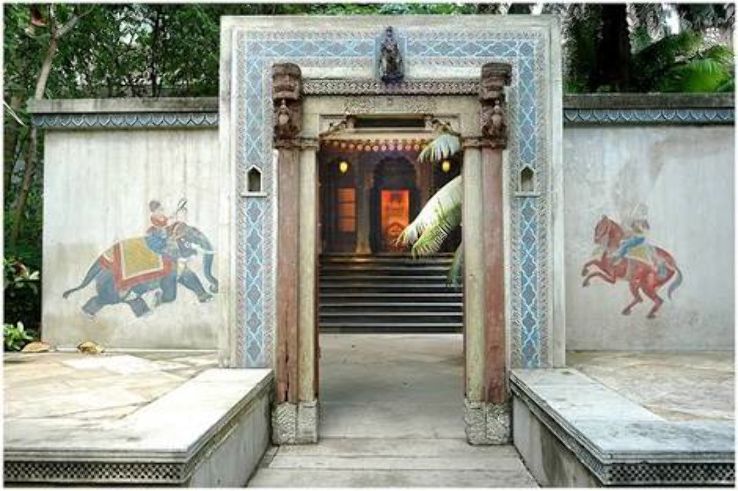
The Calico Museum of Textiles
The Calico Museum of Textiles is managed by the Sarabhai Foundation.
It is Ahmedabad's most edifying attraction, the Calico Textile Museum is an interesting landmark that draws the attention of both Indian and International researchers.
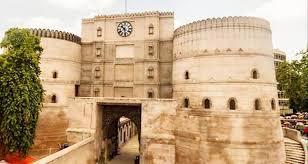
Bhadra Fort
Bhadra Fort is built by in 1411 Ad which was named so due to the presence of the famed Bhadrakali temple near it. Spanning over an area of 43 acres, the fort is also referred to as Aark Fort. Ahmed Shah had ruled over Gujarat Sultanate from 1411 till 1442.
British captured the Fort in 1817 and used it as a prison till Independence. Ahmedabad Municipal Corporation along with the Archaeological Survey of India renovated the fort in 2014. Wandering through the breathtaking Fort gives visitors a glimpse into the life of the founder of the city